
- Home/
- Buy Rybelsus Without Prescription in the United States Online
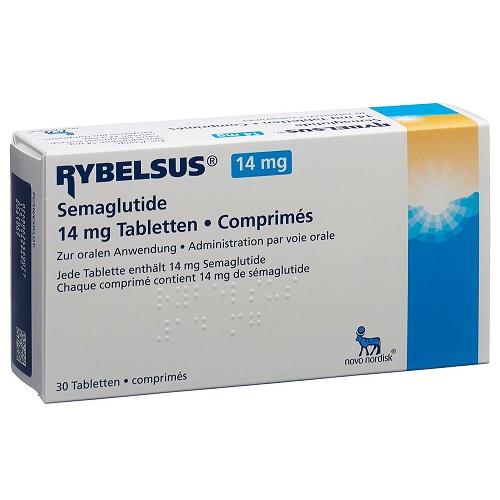
| Medication Name | Rybelsus |
|---|---|
| Main Compound | Semaglutide |
| Intended Use | Oral treatment for Type 2 Diabetes |
| Available Strengths | 3 mg, 7 mg, 14 mg tablets |
| How fast it works | Noticeable glucose-lowering effects within the first week |
| How long a dose lasts | Approximately 24 hours |
| Daily Routine | Once daily, usually in the morning |
| Food and Timing | Take on an empty stomach, at least 30 minutes before eating or drinking |
| Prescription Requirement | Prescription-only in the U.S. |
Rybelsus for Type 2 Diabetes: Practical Guidance in the United States
Rybelsus is a prescription tablet that contains semaglutide and is approved for managing blood sugar in adults with Type 2 Diabetes. As an oral medication available in the United States, it offers a non-injectable option for those needing better glucose control. The following guide walks you through the realities of living with Type 2 Diabetes, what Rybelsus can do, and how to decide if it aligns with your needs.
Type 2 Diabetes: Common, Manageable, and Not a Personal Failing
Type 2 Diabetes is a chronic condition that affects how your body processes blood sugar. It is not rare, nor is it simply the result of poor lifestyle choices—genetics and environment both play a role. According to the Centers for Disease Control and Prevention (CDC), in 2022, over 37 million people in the United States were living with diabetes, with about 90–95% of them having Type 2 Diabetes. The American Diabetes Association emphasizes that with the right approach, most individuals can control their blood sugar and reduce the risk of complications. This is a widespread medical problem—with proven strategies for managing it.
How Rybelsus Changes Blood Sugar: From Hormones to Daily Impact
Semaglutide, the key ingredient in Rybelsus, is classified as a GLP-1 receptor agonist. GLP-1 is a natural hormone your gut produces after eating, which signals the pancreas to release insulin, suppresses the release of glucagon (which raises blood sugar), and slows stomach emptying. By mimicking GLP-1, Rybelsus helps your body lower blood sugar after meals and between meals.
- Practical effect: Many people experience smoother blood sugar readings, fewer spikes after eating, and over weeks, better overall glucose control.
- Additional effect: Rybelsus may also reduce appetite, which can help with gradual weight loss—a common goal in Type 2 Diabetes management. However, this effect varies.
- Timeline: Some improvement in blood sugar may be seen within the first week, but the full benefit typically develops over 8 to 12 weeks, especially as your dose is gradually increased.
What you feel: Many patients report less fatigue, reduced hunger, and more stable energy levels as their blood sugar becomes better controlled. However, some may not notice physical changes immediately, even as lab values improve. The true marker of progress is your blood test result (A1C), not necessarily how you feel day to day.
Is Rybelsus Right for You? Matching Treatment to Real Life
| Your Situation | Is Rybelsus Suitable? | Reasoning |
|---|---|---|
| Oral medications haven’t kept your blood sugar controlled, but you want to avoid injections | Yes, often a good fit | Rybelsus brings the GLP-1 class to oral form, offering an alternative to injectables for those not reaching targets with metformin or similar tablets. |
| Weight management is a concern alongside diabetes | Yes, may help | Rybelsus can modestly aid weight loss compared to older diabetes pills, especially with dietary changes. |
| You have a history of severe gastrointestinal disease (e.g., gastroparesis or pancreatitis) | No, typically not recommended | GLP-1 agonists can worsen certain stomach or pancreas conditions, and safer alternatives should be considered. |
| You are already using another GLP-1 medication (such as Ozempic or Trulicity) | No, not advised | Combining medications from the same class is unnecessary and raises the risk of side effects. |
| Kidney or liver function is significantly impaired | Sometimes; doctor’s assessment needed | Rybelsus may be used with caution, but dosing and monitoring must be individualized. |
These examples represent common scenarios, but your personal health history may change the equation. Discussing your full medical and medication background with your prescriber is critical before starting Rybelsus.
Using Rybelsus in Everyday Life: What to Expect and How to Adapt
- How to take: Swallow your Rybelsus tablet with a small sip of water (no more than 4 ounces), as soon as you wake up, and wait at least 30 minutes before eating, drinking, or taking other medications. This maximizes absorption.
- If you forget a dose: Skip the missed dose and take your next tablet at the usual time the next morning. Do not double up. The medication works best when taken consistently, but missing one dose does not cause a sudden blood sugar spike.
- If it doesn’t seem to work: Full effect may take several weeks, especially as your prescriber slowly increases the dosage. Regular blood sugar checks and follow-up with your healthcare provider will clarify if an adjustment or different medication is needed.
- Normal responses: Mild nausea, loss of appetite, or mild stomach upset are common in the first weeks, usually fading as your body adjusts. Gentle, gradual increases in dose help minimize these effects.
- When to seek help: Persistent vomiting, signs of dehydration (dizziness, dark urine), or severe abdominal pain should prompt you to contact your healthcare provider.
- Other medications and meals: To avoid reduced absorption, wait at least 30 minutes after taking Rybelsus before any food, drinks (even coffee or juice), or other oral medications.
- Travel and routine: Because Rybelsus is a once-daily tablet, it fits most travel or shift work schedules. Set a daily alarm or reminder if needed.
Who Should Not Use Rybelsus: Contraindications Explained
- Personal or family history of medullary thyroid carcinoma (MTC): Rybelsus is not recommended because GLP-1 agonists may increase the risk of thyroid tumors in susceptible individuals.
- Multiple Endocrine Neoplasia syndrome type 2 (MEN 2): Use is contraindicated due to the same thyroid cancer risk mechanism.
- Severe allergies to semaglutide or ingredients in Rybelsus: Because of risk of serious allergic reactions.
- Previous serious pancreatitis episodes: GLP-1 medications can trigger or worsen this rare but dangerous inflammation.
If you are unsure whether any of these apply to you, share your complete health and family history with your prescriber. The doctor will assess your risk and recommend alternatives if necessary.
Possible Side Effects: What is Common, What is Rare, and When to Act
- Frequently experienced (especially initially):
- Nausea
- Mild stomach upset
- Loss of appetite
- Constipation or diarrhea
- Occasional but less common:
- Vomiting
- Fatigue
- Indigestion
- Rare but serious—seek immediate help:
- Severe abdominal pain (could signal pancreatitis)
- Signs of a severe allergic reaction: swelling of the face/tongue/throat, difficulty breathing, rash or hives
- Very low blood sugar (especially if combined with insulin or sulfonylureas): confusion, fainting, sweating
Most people complete treatment with only mild side effects, but recognizing what is normal—and what is not—can prevent rare complications.
Drug Interactions: How Rybelsus Fits With Other Medications
- Other diabetes medications: If you use insulin or drugs that increase insulin, monitor for low blood sugar. Dose adjustments may be needed to avoid hypoglycemia.
- Oral medications in general: Because Rybelsus slows stomach emptying, it can affect how other oral drugs are absorbed. Take other pills at least 30 minutes after your Rybelsus tablet.
- Other GLP-1 medications: Do not combine with similar agents (e.g., Ozempic, Trulicity) unless directed by your doctor.
- Herbal supplements and over-the-counter drugs: Discuss any new or regular supplements with your pharmacist or prescriber, as absorption or side effects could change.
Always tell your healthcare provider about all medications and supplements you are taking before starting Rybelsus. Individual risks may require tailored advice.
How Rybelsus Compares: Alternatives and Their Roles
| Medication/Class | Form | Main Advantages | Limitations |
|---|---|---|---|
| Rybelsus (semaglutide) | Tablet (oral) | No injections; effective blood sugar control; may help with weight loss; once-daily | Cannot be used if history of pancreatitis or certain thyroid cancers; mild GI side effects common initially |
| Ozempic (semaglutide) | Weekly injection | Long-acting, convenient weekly dosing; same active ingredient as Rybelsus | Requires injection; same contraindications; not suitable for needle-averse patients |
| Metformin | Tablet (oral) | First-line agent; low cost; well-tolerated for most; no weight gain | May cause GI side effects; less effective for weight loss; not suitable if kidney function is poor |
| Trulicity (dulaglutide) and similar GLP-1 injectables | Weekly injection | Potent glucose lowering; weight loss potential | Injection required; similar side effect and risk profile as Rybelsus |
| Insulin | Injection (various regimens) | Most potent for very high blood sugars or after other therapies fail | Requires daily/multiple injections, risk of weight gain and hypoglycemia |
Rybelsus is a strong choice for adults with Type 2 Diabetes who want to avoid injections but need more than metformin alone. It is not the best choice for those with a history of pancreatitis, certain thyroid cancers, or who cannot manage a strict dosing schedule. For others, injectable GLP-1 medications or insulin may be preferred, depending on individual needs and comfort.
What You Will Actually Pay: Real Cost of Rybelsus Treatment in the U.S.
| Cost item | Amount | Note |
|---|---|---|
| Doctor consultation (in-person) | $100–$250 | Needed to assess suitability and obtain prescription; price varies by location and insurance |
| Prescription (online or local pharmacy) | $0–$20 | Some telehealth services may bundle this with consultation; others may charge a fee |
| Rybelsus 30-tablet pack (by dose) | $800–$950 | Out-of-pocket price; insurance or savings cards may lower cost |
| Delivery (if purchased online) | $0–$25 | Most online pharmacies offer standard shipping; expedited options may cost more |
| Total (one month, no insurance) | $900–$1,245 | Minimum is telehealth + lowest-dose + standard shipping |
Insurance coverage or manufacturer savings programs may reduce the out-of-pocket cost substantially. Some pharmacies and telehealth services offer bundled discounts for consultation and prescription. Always confirm the complete cost—including follow-up visits and repeat prescriptions—before purchasing. In the U.S., Rybelsus is only legally available with a prescription, although some online sellers may offer it without one. The U.S. Food and Drug Administration (FDA) regulates prescription requirements, but enforcement may vary for online providers.
What Else Should I Know Before Starting?
Even if you are ready to proceed, a few practical points remain:
- Lab tests: Your prescriber may request baseline blood tests (A1C, kidney, and liver function) before starting and at regular intervals.
- Refills and follow-up: Rybelsus is not a one-time prescription. Expect to check in with your healthcare provider every 3–6 months for monitoring and to renew your prescription.
- Counterfeit risk: To minimize risk, use licensed U.S. pharmacies—especially if ordering online. The FDA provides guidance for identifying legitimate sources.
- Generic availability: As of now, there is no approved generic for Rybelsus in the U.S.; all supplies are from the original manufacturer.
Deciding on a new diabetes medication is a significant step. Consult your healthcare provider for a personalized plan, and use this guide to frame the key questions and ensure you receive safe, legal treatment. If you have concerns about the medication after starting, reach out promptly to your provider—early communication can prevent most complications.

