
- Home/
- Buy Antabuse in Online Pharmacy – Fast Delivery in United States
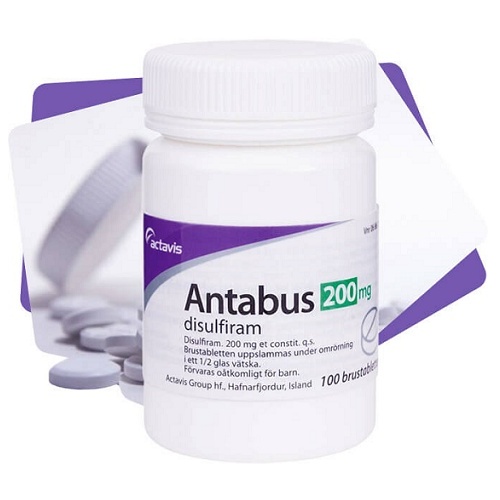
Comprehensive Guide to Antabuse (Disulfiram) in the United States: Efficacy, Safety, and Local Prescription Rules
Summary: Key Facts About Antabuse in the United States
- Active Ingredient: Disulfiram
- Main Use: Treatment of chronic alcohol dependence
- Prescription Status: Prescription required in the United States
- Regulatory Approval: FDA-approved for alcohol use disorder
- Onset of Aversion Effect: Within 10–30 minutes after alcohol ingestion when on therapy
- Main Contraindications: Severe cardiac disease, liver failure, psychosis, recent alcohol use
- Generic Availability: Yes; multiple FDA-approved generics available
- Typical Insurance Coverage: Covered by most insurance plans and Medicaid/Medicare with prescription
Is a Prescription Required for Antabuse in the United States?
No, you cannot legally obtain Antabuse (Disulfiram) without a prescription in the United States. It is classified as a prescription-only medication. Purchasing Antabuse without a valid prescription, especially online, is both illegal and risky due to the threat of counterfeit products and lack of medical supervision.
How Does Antabuse Work? (Mechanism of Action Explained)
Antabuse (active ingredient: Disulfiram) is an alcohol-aversive agent. It works by inhibiting the enzyme aldehyde dehydrogenase in the liver. Normally, when alcohol is consumed, it’s metabolized in two steps: first, alcohol dehydrogenase converts ethanol into acetaldehyde (a toxic compound), and then aldehyde dehydrogenase converts acetaldehyde into harmless acetic acid. When you take Disulfiram, the second step is blocked. As a result, acetaldehyde rapidly builds up in the blood after drinking alcohol.
This sudden spike in acetaldehyde triggers a cluster of distressing symptoms—including flushing, pounding headache, nausea, vomiting, chest pain, palpitations, confusion, and sometimes low blood pressure. This reaction occurs within 10–30 minutes after ingesting alcohol and can last several hours. The discomfort is so severe that most patients are deterred from drinking. Critically, Disulfiram itself does not reduce craving or withdrawal; it simply makes drinking alcohol physically unpleasant.
Metaphor: Think of Disulfiram as a “booby trap” for your body’s alcohol processing system. If you drink, the trap springs—and you feel terrible.
Important: Disulfiram has no effect unless alcohol is consumed. It does not treat cravings or withdrawal and requires strong motivation and supervision to be effective.
Recent clinical studies (2022–2024) have reconfirmed the mechanism and safety profile in the US population (FDA, PubMed).
Expert Commentary from doctor
In my clinical experience, the biggest misunderstanding about Antabuse is thinking it cures alcohol dependence by itself. It doesn’t. It’s a deterrent—most effective in motivated patients who’ve already detoxed and want a concrete barrier against relapse. The psychological “safety net” is powerful, but only when combined with therapy and support. I’ve also seen people underestimate how many everyday products contain alcohol—mouthwash, sauces, even some medications. That’s a frequent cause of accidental reactions. Clear instruction, family involvement, and close follow-up are crucial for safe and successful use.
How Should Antabuse Be Taken? Dosage and Timing
- Standard Starting Dose: 500 mg orally once daily for 1–2 weeks, then reduce to a maintenance dose of 250 mg once daily. Dosage must always be individualized.
- Timing: Take in the morning, preferably after breakfast. For patients experiencing drowsiness, evening dosing may be considered.
- Maximum Daily Dose: 500 mg/day. Do not exceed this without explicit medical supervision.
- Administration: Tablets should not be split or chewed unless scored and approved by the manufacturer.
- Duration of Action: The aversive effect may persist for up to 14 days after the last dose due to the irreversible inhibition of the enzyme.
-
Special Populations:
- Elderly: Lower starting and maintenance doses are recommended (125–250 mg/day), careful monitoring is essential.
- Renal or hepatic impairment: Use with great caution; severe liver or kidney disease is a strict contraindication.
- Pediatric Use: Not recommended for use in children or adolescents; safety and efficacy not established.
Note: Always follow your prescribing physician’s instructions. Never start, stop, or change the dose without medical advice.
Food, Alcohol, and Lifestyle Interactions: What to Avoid
- Alcohol: Strict prohibition of any alcohol-containing food, beverages, or products while taking Antabuse and for at least 2 weeks after discontinuation. Even small amounts (as little as 5–10 mL ethanol) can trigger a reaction.
- Hidden Sources: Watch for alcohol in mouthwash, aftershave, cough syrups, sauces, fermented foods, and some topical products. Read all product labels carefully.
- Food: Meals do not significantly affect Antabuse absorption, but taking with food may reduce gastrointestinal upset.
- Grapefruit Juice: No known direct interaction with Disulfiram, but consult your doctor if you routinely consume large amounts.
- Caffeine: No direct interaction, but excessive caffeine may increase anxiety or palpitations in some patients.
Bottom line: If in doubt, assume a product contains alcohol until proven otherwise.
Antabuse Compatibility with Other Medications or Products
| Type of Product | Can it be Combined? | Consequences |
|---|---|---|
| Alcohol (any amount) | NO | Severe reaction: flushing, vomiting, hypotension, risk of death |
| Nitroglycerin or Isosorbide | STRICTLY NO | Severe blood pressure drop, possible collapse |
| Metronidazole | NO | Risk of psychosis, confusion, toxic reaction |
| Warfarin | Caution | Increased anticoagulant effect—monitor INR |
| Phenytoin | Caution | Increased risk of phenytoin toxicity—monitor levels |
| Paracetamol (Acetaminophen) | Yes | No significant interaction |
| SSRIs (e.g., sertraline) | Yes | No major interaction; monitor for side effects |
| Grapefruit Juice | Yes | No proven interaction, but always confirm with your doctor |
Tip: Always review your current medications with your prescriber before starting Antabuse.
Who Should NOT Take Antabuse? Detailed Contraindications
- Absolute Contraindications
-
- Current alcohol intoxication or recent alcohol use (within 12 hours)
- Severe cardiac disease (coronary artery disease, heart failure, history of arrhythmias)
- History of psychosis (including schizophrenia, current manic episode)
- Severe hepatic or renal impairment
- Hypersensitivity/allergy to Disulfiram or excipients
- Pregnancy and breastfeeding
- Relative Contraindications (Use with Caution)
-
- Mild to moderate liver or kidney disease—require close monitoring
- Diabetes mellitus—may alter glucose control
- History of epilepsy or seizures
- Advanced age (over 65)—increased sensitivity to side effects
After major cardiac events (e.g., heart attack): Antabuse may only be considered after full recovery and specialist approval.
What Side Effects Are Most Common with Antabuse?
- Drowsiness, fatigue
- Metallic or garlic-like taste in mouth
- Headache
- Skin rash, acne
- Peripheral neuropathy (numbness, tingling)
- Impotence, decreased libido
- Liver enzyme elevation
- Mild gastrointestinal upset (nausea, vomiting)
- Severe hepatitis or liver failure
- Psychosis (delirium, confusion, paranoia)
- Allergic reactions (hives, swelling)
- Peripheral neuritis (nerve inflammation)
- Optic neuritis (eye pain, vision disturbance)
- Life-threatening reaction with alcohol: severe hypotension, cardiovascular collapse
- Sudden cardiac arrhythmia
What to do? If you experience any severe or unusual symptoms, stop the medication and seek immediate medical attention. For mild effects, discuss with your doctor before making changes.
Common Patient Mistakes Observed by doctor
- “Testing” the reaction: Some patients deliberately consume small amounts of alcohol to “see what happens.” This is extremely dangerous—severe reactions can occur even with tiny doses.
- Overlooking hidden alcohol: Forgetting about alcohol in everyday products (e.g., cough syrup, hand sanitizer, food flavorings) often leads to accidental reactions. Always check labels or ask your pharmacist.
- Stopping medication abruptly: Suddenly quitting Antabuse without a plan or support can result in relapse. Always consult your healthcare provider when considering stopping the medication.
- Ignoring medication interactions: Not informing doctors or pharmacists about being on Disulfiram, which can result in harmful drug-drug interactions (e.g., with metronidazole).
- Assuming a missed dose means “safe to drink”: The aversion effect can persist for up to 2 weeks after the last dose. Alcohol should be avoided during this period.
How Does Antabuse Compare to Alternatives? (Table)
| Medication | Active Ingredient | Mechanism | Onset Speed | Duration | Side Effects | Typical Price per Month (USD) | Insurance Coverage |
|---|---|---|---|---|---|---|---|
| Antabuse | Disulfiram | Alcohol aversive agent (ALDH inhibitor) | 10–30 min after alcohol | Effect lasts 1–2 weeks after stopping | Drowsiness, rash, severe aversion reaction with alcohol | $25–$60 | Yes (most plans, Medicaid, Medicare) |
| Vivitrol | Naltrexone (injectable) | Opioid receptor antagonist; reduces craving | 2–3 days (steady state) | 1 month per injection | Injection site pain, nausea, headache | $1200–$1500 | Yes (may have co-pay) |
| Campral | Acamprosate | Glutamate modulator; reduces withdrawal/craving | Within days | Duration of therapy | Diarrhea, nausea, insomnia | $80–$150 | Yes (most plans, Medicaid, Medicare) |
Summary: Antabuse is effective for highly motivated individuals seeking an aversive barrier. Alternatives like naltrexone or acamprosate may be preferred for those with high cravings or history of medical contraindications to Disulfiram.
How is Antabuse Absorbed, Metabolized, and Eliminated?
Absorption: Rapidly absorbed from the gastrointestinal tract, with peak plasma concentrations reached in 8–12 hours after oral dose.
Distribution: Widely distributed in tissues; moderate protein binding.
Metabolism: Primarily metabolized in the liver to diethylthiomethylcarbamate (active metabolite).
Elimination: Excreted through urine and feces; elimination half-life is highly variable but typically 60–120 hours (2.5–5 days). The enzyme inhibition effect can last up to 2 weeks after the last dose.
Clinical Insight: Patients with impaired liver function are at higher risk for toxicity and should not use Disulfiram.
Special Considerations for Specific Patient Groups
- Elderly: Start at lower doses (125–250 mg/day); increased risk of confusion, falls, or neuropathy.
- Pregnant or Breastfeeding Women: Antabuse is contraindicated; animal studies show risk of harm to fetus.
- Pediatric and Adolescent Use: Not approved in the United States; safety not established.
- People With Psychiatric Illness: Use with extreme caution or avoid entirely in those with a history of psychosis.
- Effects on Driving/Machinery: May cause drowsiness or confusion—avoid if affected.
- Fertility: No proven effect on fertility at therapeutic doses.
Original Antabuse vs Generics & How to Avoid Counterfeits
What are generics?
Generic versions of Disulfiram are FDA-approved, contain the same active ingredient and are considered equally effective and safe when manufactured by licensed US companies. Inactive components (excipients) may differ, occasionally affecting tolerability or allergy risk.
How to avoid counterfeit or illegal products?
- Buy only from licensed US pharmacies (in-store or state-approved online pharmacies).
- Look for FDA or National Association of Boards of Pharmacy (NABP) verification seals (“VIPPS” program).
- Avoid websites offering Antabuse without prescription or at significantly below market prices—these are often counterfeit, substandard, or even dangerous.
- Do not purchase from international or “grey market” sources, as customs may seize shipments and safety cannot be guaranteed.
Advantage of generics: Cost savings; typical monthly cost $25–$40 vs $50–$60 for branded Antabuse.
Myth vs Reality: “Generics are less effective than brand-name drugs.” In reality, FDA-approved generics must meet stringent bioequivalence standards.
“Quality Check”: How to Verify Genuine Antabuse Packaging
- Original Antabuse and generics are sold in sealed blister packs or bottles, prominently displaying the name “Disulfiram” or “Antabuse,” strength, lot number, and expiration date.
- Packaging should include the FDA National Drug Code (NDC) and manufacturer’s name and address.
- Pill appearance: usually white, round, or oval tablets, sometimes scored, with imprint (e.g., “DISULFIRAM 250”).
- Some US manufacturers include QR codes or barcodes for verification.
- Never accept pills in loose bags or unmarked containers.
- Unusually low prices, misspellings, or poor-quality printing are frequent signs of counterfeiting.
How to Obtain Antabuse Legally in the United States: Step-by-Step Guide
-
Step 1: Schedule a Consultation
- Contact your primary care provider, addiction specialist, or a certified telemedicine platform (e.g., Mayo Clinic virtual care).
-
Step 2: Complete Assessment
- Expect a comprehensive medical/psychiatric assessment and lab tests (liver, kidney function).
- Screening for contraindications and readiness for abstinence is mandatory.
-
Step 3: Obtain Prescription
- If appropriate, your doctor will send an electronic prescription to your chosen pharmacy.
-
Step 4: Fill Your Prescription
- Pick up at a local pharmacy or use a verified online/mail-order pharmacy registered in your state. Present identification as required.
- Insurance, Medicaid, or Medicare can offset costs; co-pays may apply.
-
Step 5: Ongoing Monitoring and Counseling
- Attend regular follow-up appointments (in-person or virtual) to monitor effectiveness and side effects, and to access counseling or support groups.
Note: Never attempt to bypass medical supervision; it is essential for your safety.
What Should I Do in Case of Antabuse Overdose?
- Stop taking Antabuse immediately.
- Call 911 or your local emergency services in the United States.
- Provide the dispatcher and medical staff the exact amount and time of ingestion, and whether alcohol was consumed.
- Do not induce vomiting unless instructed by a healthcare provider.
- Bring the medication packaging with you to the emergency room.
Symptoms of overdose: Drowsiness, vomiting, confusion, loss of coordination, seizures, and in severe cases, respiratory depression or coma.
Psychological Support and Recovery: You’re Not Alone
Alcohol dependence is a common, treatable condition. Many people in the United States face similar challenges—seeking help is a sign of strength, not weakness. Medications like Antabuse are most effective when combined with psychological support, family involvement, and professional counseling. Do not hesitate to talk to your healthcare provider, loved ones, or support organizations. Recovery is possible.
Questions Frequently Asked to doctor
- Can I ever drink alcohol again if I stop Antabuse?
- The effects of Antabuse can persist for up to 2 weeks after your last dose. Drinking alcohol during this period is still dangerous. After that, consuming alcohol may be physically possible, but the risk of relapse remains high. Always discuss plans to discontinue therapy with your provider.
- What should I do if I miss a dose?
- Take the missed dose as soon as you remember unless it is almost time for your next dose. Do not double up. Consistency is important for effectiveness, so set reminders if needed.
- Can I use Antabuse if I’m on antidepressants?
- Most common antidepressants (SSRIs, SNRIs) can be safely combined with Antabuse, but always inform your doctor to monitor for rare interactions.
- Is it safe to take Antabuse for many years?
- Long-term use may be appropriate for some people and is not inherently dangerous if liver and nerve function are monitored. Regular check-ups are a must.
- Does insurance cover Antabuse?
- Yes, most private insurance, Medicaid, and Medicare plans cover Disulfiram with a valid prescription. Out-of-pocket costs are generally modest.
- Can older adults use Antabuse?
- Yes, but at lower doses and with closer supervision due to increased sensitivity and risk of neuropathy or delirium.
- What if I get a severe reaction despite avoiding alcohol?
- Rarely, interactions with hidden alcohol or certain medications may cause adverse effects. Seek medical help immediately, especially with difficulty breathing or chest pain.
Table: Key Parameters of Antabuse (Disulfiram)
| Parameter | Value |
| Active Ingredient | Disulfiram |
| Mechanism | Aldehyde dehydrogenase inhibition (alcohol aversion) |
| Standard Dose | 250–500 mg/day (oral) |
| Onset of Aversion Effect | 10–30 minutes after alcohol |
| Duration of Effect | 7–14 days after last dose |
| Major Contraindications | Severe heart/liver disease, psychosis, recent alcohol use |
| Main Side Effects | Drowsiness, metallic taste, rash, neuropathy |
| Cost (Monthly, USD) | $25–$60 (generic) |
| Insurance Coverage | Yes (most plans, Medicaid, Medicare) |
Professional Opinion of doctor
In my practice, Antabuse (Disulfiram) is best suited for patients who have already achieved abstinence and are highly motivated to remain sober. It is not a cure for alcohol addiction, but a strong deterrent that can be life-changing for people who feel vulnerable to relapse, especially when combined with ongoing therapy and support. The risk–benefit ratio is generally favorable in well-selected patients, but I always stress the importance of awareness about potential interactions and the dangers of consuming any alcohol. For individuals with a history of liver disease, psychiatric illness, or who are unable to engage in regular follow-up, alternatives like naltrexone or acamprosate may offer a safer or more appropriate route. The key is individualized care—no single treatment works for everyone.
Frequently Asked Questions About Antabuse
- Can I take Antabuse without seeing a doctor?
- No. In the United States, a prescription from a licensed healthcare provider is mandatory to obtain Antabuse legally and safely.
- How quickly does Antabuse work after starting therapy?
- The aversion effect is present within 12 hours of the first dose and persists for up to 2 weeks after stopping.
- Is Antabuse covered by insurance in the US?
- Yes, most insurance plans, Medicaid, and Medicare cover it with a valid prescription.
- Can I get Antabuse delivered to my home?
- Yes, through licensed US mail-order or online pharmacies, once you have a valid prescription.
- Is there a risk of dependence or withdrawal with Antabuse?
- No physical dependence develops, and stopping does not cause withdrawal, but the risk of relapse increases if medication is discontinued.
- Can Antabuse be used daily?
- Yes, it is typically taken once daily, but dosage and duration should be determined by your doctor.
- What happens if I drink alcohol while on Antabuse?
- Severe physical reactions occur—nausea, vomiting, headache, flushing, and even life-threatening complications. Always avoid alcohol.
- Is it legal to buy Antabuse from international websites?
- No, importing prescription medications without proper authorization is illegal and unsafe in the United States.
- What alternatives exist if I can’t tolerate Antabuse?
- Naltrexone (oral, injectable) and Acamprosate are FDA-approved alternatives—ask your specialist which may be most appropriate.
- Does Antabuse treat the root cause of alcohol dependence?
- No, it addresses the behavioral aspect by causing aversion, but counseling and support are needed for underlying issues.
References / Sources
- U.S. Food and Drug Administration (FDA), Disulfiram [Antabuse] Prescribing Information, accessed 2026, https://www.fda.gov
- National Institute on Alcohol Abuse and Alcoholism (NIAAA), Alcohol Use Disorder: A Clinical Update, accessed 2026, https://www.niaaa.nih.gov
- National Library of Medicine, PubMed, Clinical Studies on Disulfiram 2022–2024, accessed 2026, https://pubmed.ncbi.nlm.nih.gov
- Mayo Clinic, Antabuse (Disulfiram) Drug Information, accessed 2026, https://www.mayoclinic.org
- Substance Abuse and Mental Health Services Administration (SAMHSA), Medication-Assisted Treatment for Alcohol Use Disorder, accessed 2026, https://www.samhsa.gov
- National Association of Boards of Pharmacy (NABP), Safe Pharmacy Verification, accessed 2026, https://nabp.pharmacy
Bottom line: Antabuse is an established, FDA-approved tool for alcohol dependence, but must be prescribed and monitored by a qualified specialist in the United States. Always consult a doctor before considering therapy, and never purchase from unverified sources.
