
- Home/
- Buy Lasix Online in the United States Safely and Conveniently
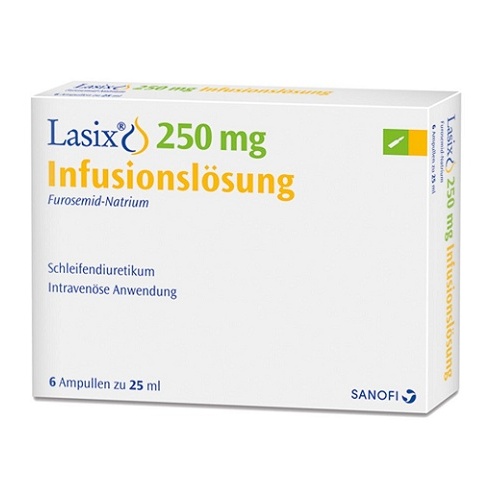
Can Lasix Be Obtained Without a Prescription in the United States?
Lasix (furosemide) is legally available only by prescription in the United States. Over-the-counter sale is prohibited. You must consult a licensed healthcare provider for evaluation, diagnosis, and a valid prescription before obtaining Lasix from any U.S. pharmacy.
Key Takeaways: What Should You Know About Lasix in the United States?
- Lasix is used primarily to manage edema (fluid retention) associated with heart failure, kidney disease, and certain liver conditions.
- A prescription is required in the U.S.; self-medication is not allowed.
- Improvement in swelling and shortness of breath can often be observed within hours after the first dose, though results vary by condition.
- Common risks include dehydration, low blood pressure, and electrolyte imbalances—regular lab monitoring is essential.
- Lasix does not cure underlying causes of edema but helps control symptoms as part of a broader treatment plan.
- Always seek medical advice before starting or stopping Lasix, especially if you have kidney, liver, or heart issues.
How Does Lasix Work in the Body? Understanding Its Pharmacological Action
Lasix (furosemide) is a loop diuretic, acting primarily on the Na-K-2Cl symporter in the thick ascending limb of the loop of Henle in the kidneys. By inhibiting this transporter, Lasix blocks the reabsorption of sodium, chloride, and potassium ions. The resulting increase in electrolyte excretion draws water into the urine, leading to increased urine output (diuresis) and reduction of excess fluid in bodily tissues and the bloodstream.
Beyond fluid removal, this rapid excretion can lower blood volume, decrease venous pressure, and reduce blood pressure—effects important for treating congestive heart failure and edema. However, because Lasix removes both water and electrolytes, it can also cause dehydration and significant shifts in potassium, sodium, and magnesium levels.
Simply put: If you imagine the kidneys as a filtration system, Lasix opens the floodgates, flushing out salt and water much more quickly than normal. This process can relieve symptoms of fluid overload—but it requires careful monitoring to prevent adverse effects.
Expert Commentary: The Gap Between Expectation and Clinical Reality in Lasix Therapy
As a physician, I often encounter patients who expect Lasix to provide instant and complete relief from swelling or shortness of breath. In reality, while the initial diuretic effect is rapid, the overall benefit depends on proper dosing, underlying kidney or heart function, and patient adherence to dietary and monitoring recommendations. Many patients mistakenly believe more medication equals better or faster results, but overuse can quickly lead to dangerous dehydration and electrolyte loss. It’s also common for patients to focus solely on symptom relief, while failing to recognize the need for ongoing laboratory checks and adjustment based on lab values. I always encourage patients to ask about what lab tests are needed and what warning signs to watch for, as these discussions are essential but often overlooked.
What Is the Usual Dosage and How Should Lasix Be Taken?
Typical Starting Dose: For adults, the initial oral dose is usually 20–80 mg once daily. In severe cases or if insufficient response is observed, the dose may be increased incrementally—typically not exceeding 600 mg/day in total. For maintenance, the lowest effective dose is used, often split into divided doses throughout the day.
- Elderly patients often require lower initial doses due to increased sensitivity and reduced renal function.
- Patients with liver or kidney impairment may require more cautious titration and closer monitoring.
- Children are prescribed Lasix based on body weight; pediatric dosing should be determined by a pediatric specialist.
Tablets are typically swallowed whole with water. Some formulations may be scored for splitting, but not all Lasix tablets are intended to be divided; always check with your pharmacist or prescriber. For those unable to swallow tablets, oral solutions are available.
Onset and Duration: After oral administration, diuresis usually begins within 30–60 minutes, peaking at 1–2 hours, and lasting about 6–8 hours (shorter with IV administration).
Lasix Dosage and Product Characteristics Table
| Parameter | Value |
|---|---|
| Available strengths (U.S.) | 20 mg, 40 mg, 80 mg (tablets); oral solution and injectable also available |
| Usual adult starting dose | 20–80 mg once daily, adjusted as needed |
| Maximum recommended daily dose | 600 mg (rare, severe cases; always under specialist supervision) |
| Time to onset (oral) | 30–60 minutes |
| Peak effect (oral) | 1–2 hours |
| Duration of action | 6–8 hours (oral) |
| Can tablets be split? | Some are scored; consult your pharmacist before dividing |
| Storage requirements | Room temperature (68–77°F), away from moisture and light |
Does Food, Alcohol, or Other Substances Affect Lasix Absorption or Safety?
Food: Taking Lasix with or without food is acceptable, though food may slightly delay absorption but does not reduce overall effectiveness. Fatty meals do not significantly impact the absorption rate or effect.
Alcohol: Combining Lasix with alcohol is not recommended. Both can contribute to low blood pressure and dehydration, increasing risk of dizziness, fainting, and kidney injury. There is no safe ‘threshold’ for alcohol use with Lasix; most guidelines recommend avoiding alcohol altogether while on therapy.
Grapefruit juice: No clinically significant interaction is known between grapefruit juice and Lasix, unlike with certain other medications.
Caffeine: May increase diuresis, potentially increasing the risk of dehydration.
Key Point: Always inform your healthcare provider about any dietary patterns, supplements, or other medications before starting Lasix.
Compatibility Checklist: Lasix and Other Medications/Substances
| Product/Medication | Can it be combined? | Consequences |
|---|---|---|
| ACE inhibitors (e.g., lisinopril) | With caution | May cause excessive blood pressure drop, monitor closely |
| NSAIDs (e.g., ibuprofen) | With caution | May reduce diuretic effect, kidney risk |
| Digoxin | With caution | Increases risk of arrhythmias due to low potassium |
| Lithium | STRICTLY NO | Increases lithium toxicity risk—contraindicated |
| Potassium supplements | Yes, if prescribed | May be needed to prevent low potassium |
| Alcohol | Strictly not recommended | Increases risk of dehydration, low blood pressure |
Who Should Not Take Lasix? Contraindications and Red Flags
- Absolute contraindications:
- Allergy to furosemide or sulfonamide-derived drugs
- Anuria (complete inability of the kidneys to produce urine)
- Severe electrolyte imbalances (e.g., profound hypokalemia, hyponatremia)
- Hepatic coma or severe hepatic encephalopathy
- Relative (use with extreme caution):
- Significant hypotension (very low blood pressure)
- Dehydration or volume depletion
- Renal impairment (dose adjustment and close monitoring needed)
- Diabetes mellitus (risk of altered glucose control)
- Pregnancy or breastfeeding (risk/benefit assessment required—see “Special Populations”)
- Gout (may increase uric acid levels)
- Recent myocardial infarction (heart attack)—Lasix may be used as part of acute management but only under specialist guidance and careful monitoring
Never start or stop Lasix without direct supervision from a qualified healthcare provider.
What Side Effects Are Most Common With Lasix?
Lasix, like all medications, can cause side effects. Their frequency and severity vary based on dose, other conditions, and concurrent medications.
- Very common (>1/10):
- Increased urination
- Low potassium (hypokalemia)
- Low sodium (hyponatremia)
- Low magnesium (hypomagnesemia)
- Common (>1/100, <1/10):
- Dizziness, lightheadedness (especially when standing up)
- Muscle cramps or weakness
- Elevated blood sugar
- Increased uric acid (may trigger gout)
- Temporary increase in cholesterol or triglycerides
- Rare (>1/10,000, <1/1,000):
- Hearing disturbances or ringing in the ears (high doses or rapid IV use)
- Severe allergic reactions (rash, itching, swelling)
- Pancreatitis
- Kidney failure (with misuse or pre-existing disease)
- Very rare (<1/10,000):
- Severe skin reactions (Stevens-Johnson syndrome)
- Aplastic anemia or other blood disorders
If you experience severe dizziness, muscle weakness, rapid heartbeat, confusion, hearing loss, or signs of an allergic reaction, seek immediate medical attention.
Common Pitfalls: Mistakes Patients Make With Lasix and How to Avoid Them
- Taking Lasix late in the day: This often leads to sleep disruption due to frequent nighttime urination. Tip: Take your dose early in the morning unless advised otherwise.
- Failing to monitor weight or swelling regularly: Many patients forget to track their daily weights, missing early signs of fluid retention or dehydration. Tip: Weigh yourself at the same time each morning and report significant changes to your doctor.
- Skipping blood tests: Omitted lab monitoring can delay detection of dangerous electrolyte changes. Tip: Attend all scheduled lab appointments for potassium, sodium, kidney function, and other relevant tests.
- Stopping Lasix abruptly: Suddenly discontinuing can cause rapid fluid buildup or, in rare cases, withdrawal symptoms such as rebound edema. Tip: Only adjust your regimen under medical supervision.
- Not informing doctors about all medications: Over-the-counter drugs, herbal supplements, or other prescriptions can interact dangerously. Tip: Always provide a complete medication list at each appointment.
- Neglecting hydration and salt intake advice: Overcompensating with fluids or salt can blunt the effect of Lasix; under-drinking may cause dehydration. Tip: Follow your doctor’s specific guidance for intake.
How Does Lasix Compare to Its Main Alternatives?
Lasix is just one option among loop diuretics and related medications used to treat edema. Choice depends on individual patient factors, onset/duration needs, and tolerability. Below is a comparison with two other commonly used agents.
| Drug | Onset (oral) | Duration | Typical Side Effects | Cost (per 40mg tab, USD) | Notes |
|---|---|---|---|---|---|
| Lasix (furosemide) | 30–60 min | 6–8 hrs | Electrolyte loss, dehydration | $0.15–$0.80 (generic) | Most widely used; rapid effect |
| Bumetanide | 30–60 min | 4–6 hrs | Similar to Lasix, but more potent per mg | $0.50–$1.20 (generic) | Used if Lasix response inadequate |
| Torsemide | 1 hr | 12–16 hrs | Similar to Lasix | $0.40–$2.00 (generic) | Longer duration; less frequent dosing |
Bottom line: Lasix is effective for most patients but may be exchanged for alternatives based on duration, response, or tolerance. Prices reflect average U.S. pharmacy cash prices as of early 2026 and may vary by location and insurance.
Pharmacokinetics: How Is Lasix Absorbed, Metabolized, and Eliminated?
- Absorption: Oral Lasix is variably absorbed, with bioavailability ranging from 47% to 70%.
- Metabolism: Lasix is only minimally metabolized by the liver (via glucuronidation).
- Elimination: The drug and its metabolites are primarily excreted by the kidneys through urine.
- Half-life (T₁/₂): Approximately 1–2 hours in those with normal kidney function, but up to 9 hours in severe renal disease.
Impaired kidney or liver function can significantly alter the drug’s effect and increase risks, underscoring the need for individualized dosing and monitoring.
Are There Special Instructions for Elderly, Children, Pregnant Women, or People With Chronic Conditions?
- Elderly: May be more sensitive to rapid drops in blood pressure or electrolyte changes. Start at lower doses and monitor closely.
- Children: Use only under pediatric specialist care, with weight-based dosing and close monitoring.
- Pregnancy: Lasix crosses the placenta and should be used only if the benefit justifies the potential fetal risk. Not for routine use in pregnancy-related swelling. [FDA]
- Breastfeeding: Lasix is excreted in breast milk and may suppress lactation; avoid unless clearly needed.
- Kidney/Liver Impairment: Requires close monitoring and possible dose reduction.
- Driving/Operating Machinery: Dizziness, weakness, or altered mental status may occur, especially early in therapy—use caution until you know how you react.
- Fertility: Lasix does not appear to adversely affect fertility, but data are limited.
Lasix vs. Generics and Brand-Name Products: What Should You Know?
Lasix is the original brand name for furosemide. Numerous FDA-approved generic equivalents are available in the U.S. These generics contain the same active ingredient but may differ in inactive components (excipients), such as fillers, dyes, or binders. While generics must demonstrate equivalent absorption and efficacy, rare allergic reactions to excipients are possible. If you have known allergies to certain dyes or fillers, consult your pharmacist. Cost savings can be significant with generics, with no loss in clinical effectiveness.
Key point: All generics approved by the FDA meet strict quality and safety standards.
How Can You Recognize an Authentic Lasix Product in the United States?
- Official Lasix (furosemide) tablets are typically white, oblong, and may be scored (for splitting).
- Each tablet is engraved with dosage (e.g., “Lasix 40”), manufacturer’s logo, and a unique NDC (National Drug Code) number on packaging.
- Blister packs and bottles should have clear lot numbers, expiration dates, and tamper-evident seals.
- Authentic products may have QR codes linking to FDA or manufacturer verification.
- Suspiciously low prices, poor packaging print quality, misspelled labels, or missing safety seals are warning signs of counterfeit or non-equivalent products.
Myth vs. Reality: Common Misconceptions About Lasix
- Myth: “Lasix works instantly for everyone.”
Reality: Response time varies with the underlying cause of edema, kidney function, and concurrent medications. - Myth: “You can stop Lasix as soon as you feel better.”
Reality: Stopping Lasix abruptly may cause rapid fluid buildup and possible worsening of heart failure or kidney function. - Myth: “More Lasix means faster or better results.”
Reality: Higher doses increase risk of serious side effects without necessarily improving outcomes.
What Should You Do If You Suspect an Overdose of Lasix?
- Stop taking Lasix immediately.
- Call 911 or your local emergency services without delay.
- Inform medical personnel of the exact amount and time of ingestion.
- Do not attempt to self-treat or wait for symptoms to appear.
Common overdose symptoms include confusion, severe weakness, irregular heartbeat, extreme thirst, or fainting. Prompt medical intervention is critical.
How Can You Safely Obtain Lasix in the United States? Step-by-Step Guide
- Step 1: Schedule a medical assessment with your primary care physician, cardiologist, nephrologist, or other qualified provider to discuss symptoms of fluid retention or related conditions.
- Step 2: Diagnostic evaluation (physical exam, blood tests, urine tests, imaging as needed) to confirm the diagnosis and rule out contraindications.
- Step 3: Receive a prescription if Lasix is indicated, including dosage and monitoring instructions.
- Step 4: Fill your prescription at a licensed community or hospital pharmacy—bring a valid ID and your prescription (physical or electronic).
- Step 5: Attend follow-up appointments and laboratory monitoring as scheduled to adjust therapy and detect side effects early.
- Optional: Telehealth services are increasingly available—many U.S. clinics and insurance providers now offer virtual consultations for chronic condition management, including Lasix prescriptions. Always confirm telehealth providers are licensed in your state.
How to Avoid Unsafe Online Pharmacies and Counterfeit Lasix in the United States
- Use only pharmacies certified by the National Association of Boards of Pharmacy (NABP) or carrying the VIPPS (Verified Internet Pharmacy Practice Sites) seal. Check pharmacy verification at nabp.pharmacy.
- Legitimate U.S. online pharmacies will always require a valid U.S. prescription and provide clear contact information for licensed pharmacists.
- Warning signs of unsafe sellers:
- No prescription requirement
- Unusually low prices
- Lack of verifiable U.S. address and phone number
- Poorly written website or fake reviews
- Non-FDA-approved products or packaging
- Counterfeit medicines may contain incorrect or harmful ingredients and can pose serious health risks. If you have any doubts about your medication’s authenticity, consult your pharmacist or report the product to the FDA’s MedWatch program.
Psychological Support: It’s Normal to Need Help Managing Edema
Many people with chronic conditions like heart failure, kidney disease, or liver problems feel anxious or overwhelmed by symptoms such as swelling, weight gain, or shortness of breath. Know that edema is common and manageable with appropriate care. Discuss your concerns openly with your doctor or a mental health professional—support and solutions are always available.
Questions Patients Often Ask doctor About Lasix Therapy
- How quickly should I expect swelling or shortness of breath to improve after starting Lasix?
- Most patients notice increased urination within an hour. Swelling may improve within a few hours to days, but the speed depends on your underlying condition and how much fluid needs to be removed. If symptoms persist, report this at your next visit.
- Is it normal to feel thirsty or tired while taking Lasix?
- Some thirst is expected as your body loses fluid, but extreme thirst, fatigue, or confusion may signal dehydration or electrolyte imbalances. If these symptoms are significant or worsen, contact your physician promptly.
- How often should my blood chemistry be checked while on Lasix?
- Initially, I recommend blood tests (potassium, sodium, kidney function) within 1–2 weeks of starting treatment and periodically thereafter. Frequency depends on your overall health, other medications, and stability of your readings.
- Can I take my other heart or blood pressure medications with Lasix?
- Lasix is often combined with heart and blood pressure medicines, but interactions are possible. Bring a complete list of your medications to each appointment so we can check for any potential issues and adjust dosages as needed.
- If I miss a dose, should I double up the next time?
- No, do not double up. If you miss a dose, skip it and take your next dose at the scheduled time. Taking extra can increase your risk of side effects.
- How will I know if Lasix is working for me?
- Improvement in swelling, weight loss, and easier breathing are good signs. Tracking your daily weight and reporting any abrupt changes helps us adjust your therapy for optimal results.
- Will I need to take Lasix forever?
- This depends on the reason for its use. Some patients require long-term diuretic therapy, while others may use it only during flare-ups or until the underlying issue is resolved. We will review your need for Lasix at each follow-up.
Frequently Asked Questions (FAQ) About Lasix in the United States
Q: Is Lasix safe for long-term use?A: When regularly monitored by a physician, Lasix can be used long-term for chronic conditions like heart failure or kidney disease. Ongoing lab tests are required to minimize risks of kidney dysfunction and electrolyte imbalances.
Q: What should I do if I feel dizzy or faint after taking Lasix?A: Sit or lie down immediately to avoid falls. Contact your doctor, as you may need dosage adjustment or lab testing to check for low blood pressure or dehydration.
Q: Can Lasix cause hearing problems?A: High doses or rapid intravenous administration may rarely cause hearing disturbances or tinnitus. Oral Lasix at standard doses is less likely to cause this effect, but you should report any hearing changes promptly.
Q: Is a prescription always required for Lasix in the United States?A: Yes. Lasix is not available over the counter and requires a valid prescription from a licensed healthcare provider.
Q: Can I buy Lasix from international online pharmacies to save money?A: Importing prescription drugs from foreign sources is illegal and unsafe. Counterfeit risks are high, and customs may seize shipments. Always use U.S.-licensed pharmacies.
Q: Are there natural or non-drug alternatives to Lasix for fluid retention?A: For some mild cases, dietary sodium restriction and physical activity may help. However, most clinically significant edema requires prescription therapy. Always discuss alternatives with your doctor before making changes.
Q: What is the average cost of Lasix in the U.S.?A: Generic furosemide costs between $0.15 and $0.80 per 40 mg tablet at most U.S. pharmacies as of 2026. Prices vary by location, pharmacy, and insurance plan.
Q: How long does Lasix stay in my system?A: The elimination half-life is about 1–2 hours in healthy adults, but the effects on urine output can last 6–8 hours. People with kidney disease may retain the drug longer.
Q: What foods should I avoid while on Lasix?A: There are no absolute food restrictions, but you should follow your doctor’s recommendations on fluid and salt intake. Grapefruit juice does not interact with Lasix.
Q: What are the signs that Lasix is not working?A: Persistent or worsening swelling, rapid weight gain, or shortness of breath despite taking Lasix warrant prompt medical evaluation. Do not change your dose without consulting your doctor.
Clinical Assessment by doctor: When Is Lasix the Right Choice for Edema?
In my clinical judgment, Lasix remains a cornerstone in the management of symptomatic fluid overload due to heart failure, chronic kidney disease, or certain liver disorders. It is especially useful in patients who need rapid relief of swelling or shortness of breath and who can reliably attend follow-up appointments for laboratory monitoring. Patients with preserved kidney function, no history of severe allergies to sulfonamides, and a capacity for self-monitoring—such as tracking weight and reporting symptoms—are most likely to benefit with minimal risk. I am more cautious in elderly patients, those with borderline low blood pressure, or those prone to falls, as the risk of dehydration and electrolyte imbalance increases. In cases where Lasix response is inadequate or if the patient develops intolerable side effects, I may consider switching to torsemide or adding a thiazide diuretic. For patients with only mild, isolated edema and no major underlying disease, lifestyle modifications alone may be sufficient. Ultimately, the choice of diuretic must be personalized based on the patient’s medical profile, treatment goals, and their ability to comply with monitoring and follow-up.
References
- FDA. “Furosemide (Lasix) Label Information.” U.S. Food and Drug Administration. Accessed 2026. https://www.fda.gov/
- Mayo Clinic. “Furosemide (Oral Route).” Accessed 2026. https://www.mayoclinic.org/drugs-supplements/furosemide-oral-route/description/drg-20068536
- National Institutes of Health. “Furosemide.” Drug Information Portal. Accessed 2026. https://druginfo.nlm.nih.gov/drugportal/name/furosemide
- PubMed. “Furosemide for Fluid Overload Management: Recent Advances and Practice Guidelines,” 2024. https://pubmed.ncbi.nlm.nih.gov/
- Maddox TM, Januzzi JL Jr, Allen LA, et al. “Diuretic Therapy in Heart Failure: JACC State-of-the-Art Review.” J Am Coll Cardiol. 2024;83(7):710-727. https://www.jacc.org/
- ClinicalTrials.gov. “Furosemide in Edema: Recent Clinical Trials.” Accessed 2026. https://clinicaltrials.gov/
- National Association of Boards of Pharmacy. “Safe Pharmacy Practice and Online Pharmacy Verification.” Accessed 2026. https://nabp.pharmacy/
- American Heart Association. “Diuretic Use in Heart Failure.” Accessed 2026. https://www.heart.org/
