
- Home/
- Buy Prednisolone Without Prescription Online in the United States
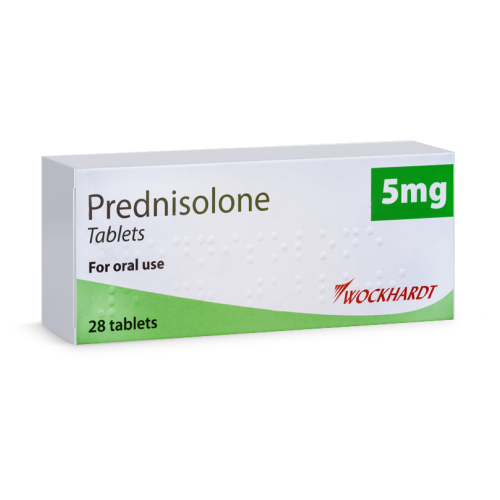
Can Prednisolone Be Obtained Without a Prescription in the United States?
No, Prednisolone is a prescription-only medication in the United States. It cannot be legally obtained without a valid prescription from a licensed healthcare provider.
Key Takeaways about Prednisolone Use in the United States
- Prednisolone is primarily prescribed for inflammatory and autoimmune conditions such as asthma, severe allergies, arthritis, and certain skin and eye diseases.
- A prescription from a licensed U.S. healthcare provider is required to obtain Prednisolone; over-the-counter or non-prescribed use is illegal and unsafe.
- Effects typically begin within hours but full benefit may take several days or weeks, depending on the condition being treated.
- Major safety concern: Stopping Prednisolone abruptly can cause serious withdrawal symptoms and health risks—always taper under medical supervision.
- Prednisolone carries a risk of significant side effects (e.g., increased infections, high blood pressure, mood changes)—close monitoring is essential.
- Contact your doctor if you develop unusual symptoms or side effects, especially if you have chronic conditions or are taking other medications.
How Does Prednisolone Work to Treat Inflammation?
Prednisolone is a synthetic corticosteroid that mimics the anti-inflammatory and immunosuppressive actions of endogenous glucocorticoids. It primarily acts by binding to cytoplasmic glucocorticoid receptors in target cells. Once bound, the receptor-drug complex translocates into the cell nucleus, where it modifies the expression of multiple genes involved in inflammation.
- Inhibition of Pro-Inflammatory Cytokines: Prednisolone suppresses production of key mediators like interleukins (IL-1, IL-2, IL-6), TNF-alpha, and prostaglandins.
- Suppression of Immune Cell Function: It reduces migration and activity of immune cells (e.g., lymphocytes, neutrophils, macrophages), which dampens the body’s immune response.
- Stabilization of Cell Membranes: Prednisolone stabilizes lysosomal membranes, reducing release of enzymes that contribute to tissue damage.
- Decrease in Capillary Permeability: This leads to less fluid leakage and swelling at sites of inflammation.
In simple terms: Think of Prednisolone as a master “dimmer switch” for the body’s overactive immune and inflammation systems. Instead of turning off one pathway, it turns down the intensity of many processes simultaneously, which is why it is effective in a wide range of conditions.
Does Prednisolone require special triggers to work? No, it acts directly on the body’s inflammatory and immune pathways and does not require any specific condition (such as food intake, activity, or time of day) to be effective, though dosing time can impact side effects.
Why Patients’ Expectations Often Differ from Clinical Outcomes
In my experience, the biggest misconception is the belief that Prednisolone should provide immediate, dramatic relief—especially for chronic or complex inflammatory diseases. While acute symptoms like swelling or itching may subside within hours, controlling a long-standing disease process can take days or even weeks, and sometimes requires additional therapies.
Another common issue is that patients often expect Prednisolone to “cure” their condition, when in reality, it mostly controls symptoms and suppresses disease activity. Many are surprised by the potential for significant side effects, especially with longer-term use or higher doses. Finally, patients rarely ask how to recognize subtle side effects, or how to monitor for complications like blood sugar changes, bone loss, or infections. I always recommend bringing up these concerns early, as ongoing dialogue is crucial for safe, effective treatment.
How Should Prednisolone Be Taken? Dosage, Timing, and Duration
The exact dose and duration of Prednisolone depends on the condition being treated, its severity, the patient’s age, weight, and coexisting health issues. Dosing must always be tailored and supervised by a healthcare provider.
General principles (for adults):- Initial (starting) dose: Commonly ranges from 5 mg to 60 mg per day, depending on indication and severity. For acute flare-ups, higher doses (e.g., 1 mg/kg/day) are sometimes used.
- Maintenance (tapering): Once improvement is seen, the dose is gradually reduced to the lowest effective amount. Abrupt discontinuation must be avoided due to risk of adrenal insufficiency.
- Maximum daily dose: Should not exceed 80 mg/day in most adults, except in rare, severe cases under close medical monitoring.
- Duration: Can range from a few days (for acute conditions) to several months or longer (for chronic diseases). Long-term therapy carries increased risk of side effects.
- Formulation considerations: Tablets can generally be split or crushed if needed, but some sustained-release formulations should not be altered. Always check specific product instructions.
- Elderly or impaired patients: Lower starting doses are typically used; dose adjustments are required for those with liver or kidney dysfunction.
Peak effect: Prednisolone starts to act within 1–2 hours of oral administration; full anti-inflammatory effect may take several days to become evident, especially in chronic conditions.
Always follow your provider’s instructions and never change your dose or stop the medication suddenly.
Can I Take Prednisolone with Food, Alcohol, or Other Medications?
- With food: Prednisolone can be taken with or without food, but taking it with meals can reduce stomach irritation and risk of ulcers. High-fat meals do not significantly delay absorption.
- Alcohol: Moderate alcohol use does not directly interact, but it increases the risk of gastrointestinal bleeding and ulcers, especially with high doses or long-term use. It is best to avoid or limit alcohol.
- Grapefruit juice: Unlike some other steroids, grapefruit juice has no significant interaction with Prednisolone.
- Other medications: Many drugs interact with Prednisolone—especially anticoagulants, diabetes medications, NSAIDs, vaccines, and certain antifungals. Always provide your full medication list to your prescriber.
Myth vs Reality
Myth: “Prednisolone and alcohol are safe together since they don’t directly interact.”
Reality: Even moderate alcohol use can amplify stomach and liver side effects or impair immune response, especially with prolonged Prednisolone use.
Who Should Not Take Prednisolone? Contraindications and Red Flags
- Absolute Contraindications
-
- Uncontrolled systemic infections (bacterial, viral, fungal, or parasitic)
- Known hypersensitivity or allergy to Prednisolone or excipients
- Live or attenuated vaccine administration (concurrent with high-dose therapy)
- Relative Contraindications—Use with Caution
-
- Diabetes mellitus (may worsen glucose control)
- Hypertension (raises blood pressure via fluid retention)
- Peptic ulcer disease (risk of GI bleeding/perforation)
- Osteoporosis (increases bone loss)
- History of psychiatric disorders (may trigger mood changes, psychosis)
- Recent myocardial infarction or heart failure (risk of fluid retention, arrhythmias)
- Chronic kidney or liver disease (altered metabolism and excretion)
- Glaucoma and cataracts (can worsen intraocular pressure and lens changes)
- Children and elderly (increased risk of growth suppression, frailty, adverse effects)
Cardiovascular caution: In cases of heart attack or stroke, Prednisolone may be considered only after stabilization and under close specialist supervision.
What Side Effects Are Most Common with Prednisolone?
- Very Common (>1/10):
-
- Increased appetite, weight gain
- Fluid retention, swelling of hands/feet (due to sodium retention)
- Elevated blood sugar (hyperglycemia)
- Insomnia, mood swings, anxiety
- Indigestion, stomach irritation
- Common (1/100 to 1/10):
-
- Elevated blood pressure
- Muscle weakness
- Delayed wound healing
- Easy bruising, skin thinning
- Increased risk of infections (due to suppressed immune system)
- Rare (1/10,000 to 1/1,000):
-
- Severe mood or psychiatric disturbances (psychosis, mania)
- Pancreatitis
- Glaucoma or cataracts
- Osteonecrosis (bone death)
- Very Rare (<1/10,000):
-
- Severe allergic reactions (anaphylaxis)
- Severe arrhythmias, heart failure exacerbation
- Adrenal crisis (if abruptly stopped after long-term/high-dose use)
What to do if side effects occur? For mild symptoms, contact your prescribing doctor as soon as possible. Seek urgent care for severe reactions (e.g., difficulty breathing, chest pain, confusion), sudden infection signs (fever, chills), or if you suspect an overdose.
Common Mistakes Patients Make with Prednisolone—and How to Avoid Them
- Stopping Prednisolone abruptly without tapering: This can cause adrenal insufficiency, which is potentially life-threatening. Always follow your doctor’s instructions for gradual dose reduction.
- Taking doses at irregular times or missing doses frequently: This reduces effectiveness and may worsen disease control. Try to take Prednisolone at the same time each day, preferably in the morning.
- Not informing healthcare providers about all other medications: Dangerous interactions can occur with NSAIDs, certain antibiotics, or diabetes drugs. Always provide a full medication list at every visit.
- Ignoring early warning signs of infection: Because Prednisolone suppresses immunity, even minor infections can become serious. Report fever, cough, or wounds that do not heal promptly.
- Over- or underestimating the risk of side effects: Some patients fear Prednisolone so much they avoid needed treatment, while others overlook warning signs. Discuss all concerns with your doctor to balance benefits and risks.
- Using “leftover” Prednisolone for new symptoms without a prescription: This is unsafe and can delay proper diagnosis or cause harm. Never self-prescribe or share medications.
How Does Prednisolone Compare to Other Anti-Inflammatory Medications?
Prednisolone is one of several corticosteroids and is frequently compared to prednisone (which is converted to prednisolone in the liver), methylprednisolone, and dexamethasone. Non-steroidal anti-inflammatory drugs (NSAIDs) are another alternative for mild inflammation but do not suppress the immune system.
| Medication | Onset (Oral) | Duration | Side Effect Profile | Typical Price per Tablet (2026 USD) | Main Use Case |
|---|---|---|---|---|---|
| Prednisolone | 1–2 hours | 12–36 hours | Moderate—bone, GI, infection risk | $0.10–$0.50 (generic 5 mg) | Multi-system inflammation, allergies |
| Prednisone | 2–3 hours (prodrug) | 12–36 hours | Similar to Prednisolone | $0.05–$0.40 (generic 5 mg) | Systemic inflammation |
| Methylprednisolone | 1–2 hours | 12–36 hours | Slightly lower mineralocorticoid effect | $0.30–$1.50 (generic 4 mg) | Allergic, rheumatic, neurologic diseases |
| Dexamethasone | 1–2 hours | 36–72 hours | Higher potency, more CNS effects | $0.10–$0.70 (generic 0.5 mg) | Brain edema, oncology, severe inflammation |
| Ibuprofen (NSAID) | 30–60 minutes | 4–6 hours | GI, renal, cardiovascular risk (no immunosuppression) | $0.05–$0.15 (generic 200 mg) | Mild pain, fever, minor inflammation |
Bottom line: Prednisolone is more potent and immunosuppressive than NSAIDs and requires more monitoring, but is preferred for serious or systemic inflammatory conditions. Among steroids, individualized selection depends on clinical scenario, side effect profile, and cost.
Prednisolone: Key Characteristics at a Glance
| Available Formulations | Tablets, oral solution, injectable |
| Strengths (U.S.) | 5 mg, 10 mg, 20 mg, 50 mg tablets (varies by brand) |
| Onset of Action | 1–2 hours (oral) |
| Duration of Effect | 12–36 hours |
| Metabolism | Liver (CYP3A4 pathway) |
| Elimination | Primarily via kidneys (urine) |
| Half-Life (T1/2) | 2–4 hours (active effect longer due to gene regulation) |
| Storage | Room temperature (68–77°F; 20–25°C), dry place |
Compatibility Check: Prednisolone with Other Medications and Products
| Type of Product | Can It Be Combined? | Consequences |
|---|---|---|
| Acetaminophen (Tylenol) | Yes | No significant interaction |
| Ibuprofen (NSAID) | Use with caution | Increased GI bleeding/ulcer risk |
| Warfarin (blood thinner) | Monitor closely | May increase or decrease anticoagulant effect |
| Live vaccines | STRICTLY NO | Risk of uncontrolled infection |
| Insulin/oral diabetes medications | Yes, but requires adjustment | May increase blood sugar; adjust dose |
| Alcohol | Minimize intake | Increased GI side effects; risk of ulcers |
| Herbal supplements | Use with caution | Potential for unpredictable interactions |
How to Get Prednisolone in the United States: Practical Steps
- Schedule a medical evaluation: Contact your primary care provider or relevant specialist (e.g., rheumatologist, pulmonologist, allergist) for assessment of your symptoms and medical history.
- Diagnosis and treatment plan: If Prednisolone is indicated, your doctor will discuss the potential benefits and risks, and propose a personalized regimen.
- Prescription issuance: Receive a prescription (paper or electronic) for Prednisolone, specifying the dose, formulation, and duration.
- Pharmacy fulfillment: Fill the prescription at a licensed U.S. pharmacy. Many insurance plans cover generic Prednisolone; check with your provider for coverage details.
- Telehealth option: In many states, qualifying patients can obtain a prescription via telemedicine, provided a doctor-patient relationship is established and a diagnosis is made.
- Follow-up: Schedule regular follow-up appointments to monitor effectiveness, side effects, and laboratory parameters (such as blood sugar, blood pressure, and infection risk).
Questions Patients Frequently Ask doctor about Prednisolone Therapy
- How will I know if Prednisolone is working for my condition?
- Most patients notice symptom improvement—such as reduced swelling, pain, or breathing difficulty—within a few days. For chronic diseases, it may take longer. We monitor clinical response and may use lab tests or imaging to assess inflammation.
- Can I reduce my dose if I feel better?
- No, do not change your dose without consulting your doctor. Tapering must be gradual to prevent withdrawal and disease flares. Sudden changes can be dangerous.
- How often will I need to be monitored?
- Monitoring depends on your dose, duration, and risk factors. For longer courses, we check blood pressure, blood sugar, bone health, and infection signs regularly. Expect more frequent visits early in therapy or at higher doses.
- What happens if I develop side effects?
- Contact your doctor promptly. Many side effects can be managed by dose adjustment or supportive care. Severe or sudden symptoms (e.g., difficulty breathing, vision changes, severe mood swings) require urgent evaluation.
- Is long-term Prednisolone therapy safe?
- While it can be life-saving, long-term use carries significant risks (osteoporosis, diabetes, infections). We always weigh benefits against risks and use the lowest effective dose for the shortest period possible.
- Will Prednisolone affect my other chronic conditions?
- It may worsen diabetes, hypertension, or mood disorders. We tailor treatment and monitor closely to minimize complications.
- Can I be vaccinated while on Prednisolone?
- Most inactivated vaccines are safe, but live vaccines should be avoided or timed carefully. Always inform your provider before scheduling vaccinations.
How to Identify a Legitimate U.S. Online Pharmacy
- Check for pharmacy licensure: The pharmacy should display a valid state license, often verifiable through the National Association of Boards of Pharmacy (NABP) or the FDA’s BeSafeRx program.
- Require a valid prescription: Legitimate pharmacies never sell Prednisolone without a physician’s prescription.
- Physical address and pharmacist access: There should be a U.S. business address and a way to consult a licensed pharmacist.
- Warning signs of unregulated sites: No prescription required, prices “too low to be true,” lack of contact information, or websites that ship from outside the U.S. are red flags.
- Risks of buying from unsafe sellers: Counterfeit medicines, contamination, incorrect dosing, or legal issues.
Tip: Stick to pharmacies with VIPPS (Verified Internet Pharmacy Practice Sites) accreditation from NABP.
How to Recognize Genuine vs Counterfeit Prednisolone
- Packaging: U.S.-approved Prednisolone comes in tamper-evident bottles or blisters, with manufacturer and batch information clearly printed and a National Drug Code (NDC) visible.
- Tablet appearance: Consistent color, shape, and engraving; no crumbling or unusual odor. Each manufacturer will have its own unique imprint code (e.g., “54 118” for 5 mg tablets by Roxane).
- Labeling: English-language labels, with FDA-required warnings and instructions. Look for the pharmacy’s name and your prescription details.
- Security features: Major U.S. manufacturers have lot numbers, expiration dates, and sometimes QR codes for verification.
- Price warning: Unusually low prices, especially from unverified or foreign websites, may indicate counterfeit or substandard products.
- Generics vs Originals: Generic Prednisolone contains the same active ingredient and must meet strict FDA bioequivalence requirements. Inactive ingredients (excipients) may differ, potentially affecting allergies or tolerability, but clinical benefits and risks are equivalent.
Managing Inflammatory Conditions: Psychological Support
Living with a chronic inflammatory or autoimmune condition can be emotionally challenging, and it’s common to feel overwhelmed or anxious, especially when starting long-term medications like Prednisolone. Remember: You are not alone—millions of Americans manage similar issues with the help of their care teams. If you’re struggling, consider talking with a trusted friend, family member, or a mental health professional. Psychological support and honest conversations can be just as vital as medication in your treatment journey.
What to Do in Case of Prednisolone Overdose
- Stop taking Prednisolone immediately.
- Call 911 or your local emergency medical services if you have symptoms like severe vomiting, confusion, seizures, chest pain, or trouble breathing.
- Inform the medical provider of the exact dose, time taken, and reason for overdose.
- Do not induce vomiting unless directed by poison control or a doctor.
- Bring the medication bottle or packaging to the emergency department for identification.
Important: While Prednisolone overdose rarely causes immediate life-threatening toxicity, it can trigger acute adrenal suppression, severe electrolyte imbalances, and psychiatric symptoms. Always seek prompt medical attention.
Special Precautions for Specific Patient Groups
- Children: Risk of growth suppression. Use the lowest effective dose, and monitor growth regularly.
- Elderly: Increased risk of osteoporosis, fractures, diabetes, and psychiatric effects. Start with lower doses and monitor closely.
- Pregnancy: Use only if benefits outweigh risks. May increase risk of low birth weight and cleft palate in the first trimester; always discuss with your OB/GYN.
- Breastfeeding: Prednisolone is excreted in breast milk, but at standard doses, risk is generally low. Consult your doctor.
- Chronic liver/kidney disease: Dose adjustments may be necessary, as metabolism and excretion are altered.
- Drivers/machine operators: At usual doses, Prednisolone does not impair driving. Higher doses may cause mood or vision changes—exercise caution.
- Fertility: No strong evidence of fertility impairment at typical doses. High-dose or prolonged therapy may affect hormonal balance.
Original vs Generic Prednisolone: What’s the Difference?
Brand-name Prednisolone (e.g., Millipred, Orapred) and FDA-approved generics both contain the same active compound, with demonstrated bioequivalence and similar efficacy and safety profiles. Generics are typically less expensive and widely used in the U.S.
- Inactive ingredients (excipients): These may vary by manufacturer and can rarely cause allergic reactions. If you have a known sensitivity, discuss with your pharmacist or doctor.
- Clinical outcomes: No clinically meaningful difference between original and generic in terms of effectiveness, monitoring, or side effects.
- Cost: Generics usually cost 50–90% less than brand-name versions.
- FDA requirements: All generics must meet stringent FDA criteria for purity, potency, and performance.
Visual Quality Check: How Should My Prednisolone Look?
- Tablet color and shape: Usually white or off-white, round or oval, with a clear imprint code and firm texture. Check your pharmacy for specific brand markings.
- Packaging features: U.S. packaging always includes lot number, expiration date, NDC, and pharmacy label. Seals should be intact, with no evidence of tampering.
- Security elements: Larger manufacturers may provide QR codes or holograms for authenticity verification (increasingly common as of 2026).
If in doubt about authenticity, contact your pharmacist or report to the FDA’s MedWatch system: FDA MedWatch
Clinical Assessment by doctor: Who Benefits Most from Prednisolone?
In my clinical judgment, Prednisolone is most beneficial for patients with severe or refractory inflammatory and autoimmune disorders—such as asthma exacerbations, acute allergic reactions, rheumatoid arthritis flare-ups, and certain dermatologic or gastrointestinal crises—where immediate, robust immunosuppression is needed. It is particularly valuable when rapid symptom control can prevent organ damage or reduce hospitalization.
However, it’s not ideal for patients with poorly controlled diabetes, severe psychiatric illness, history of frequent infections, or active peptic ulcer disease, unless the benefits clearly outweigh the risks. In such cases, alternative therapies or adjunctive treatments should be considered first, or Prednisolone should be used with heightened monitoring. Long-term therapy demands special caution, as cumulative side effects can outweigh benefits in non-life-threatening conditions. Whenever possible, I aim for the lowest dose and shortest effective duration, reassessing frequently to ensure patient safety and optimal disease control.
Frequently Asked Questions about Prednisolone (U.S. Focus)
- Is Prednisolone available over-the-counter in the U.S.?
- No. Prednisolone is prescription-only and cannot be purchased without a valid prescription from a licensed provider in the U.S.
- How quickly does Prednisolone work?
- Most patients notice improvement within a few hours to a couple of days, depending on the condition being treated. Acute allergic reactions may improve faster than chronic autoimmune diseases.
- What is the typical cost for Prednisolone?
- Generic Prednisolone is inexpensive, with a typical price range of $0.10 to $0.50 per 5 mg tablet. Insurance often covers most or all of the cost.
- Can I take Prednisolone if I have diabetes?
- Prednisolone can worsen blood sugar control. If you have diabetes, close monitoring and possible adjustment of diabetes medications are needed.
- Can I take Prednisolone long-term?
- While it can be used long-term for certain conditions, extended use increases risk of osteoporosis, infections, and other serious side effects. Doctors use the lowest effective dose for the shortest necessary duration.
- What should I do if I miss a dose?
- Take it as soon as you remember, unless it’s nearly time for your next dose. Do not double up. If you’re unsure, contact your healthcare provider for guidance.
- Are there foods or drugs I must avoid with Prednisolone?
- Alcohol and NSAIDs (like ibuprofen) should be minimized or avoided due to GI risk. No major food restrictions, but always inform your provider/pharmacist about all medications and supplements you’re taking.
- What happens if I stop Prednisolone suddenly?
- Stopping abruptly after long-term or high-dose use is dangerous and can cause adrenal crisis (shock, low blood pressure, severe fatigue). Always follow your tapering plan.
- How do I report side effects or suspected counterfeit Prednisolone?
- Report to your healthcare provider and through the FDA MedWatch system.
References
- U.S. Food and Drug Administration (FDA), Drug Database. Accessed June 2026. https://www.fda.gov/drugs
- National Institutes of Health (NIH), DailyMed: Prednisolone. Accessed June 2026. https://dailymed.nlm.nih.gov/dailymed
- Mayo Clinic, Prednisolone (Oral Route), Patient Information. Accessed June 2026. https://www.mayoclinic.org/drugs-supplements
- PubMed, Recent Clinical Studies on Prednisolone, 2023–2025. https://pubmed.ncbi.nlm.nih.gov/
- American College of Rheumatology, Guidance on Glucocorticoid Use. Accessed June 2026. https://www.rheumatology.org/
- National Association of Boards of Pharmacy (NABP), Pharmacy Accreditation Programs. Accessed June 2026. https://nabp.pharmacy/
